


Mexico’s national history is often framed as a series of major political transformations: Independence (1810–1821), La Reforma (1855–1861), the Mexican Revolution (1910–1917), and the contemporary period under the Morena movement beginning in 2018. Each of these moments promised profound change, justice, and inclusion.
Yet for Indigenous peoples, these transformations frequently reproduced new forms of dispossession, marginalization, and violence rather than delivering true liberation. Despite shifts in political power and ideology, the underlying structures of inequality have remained strikingly consistent.
The First Transformation: Independence (1810–1821).
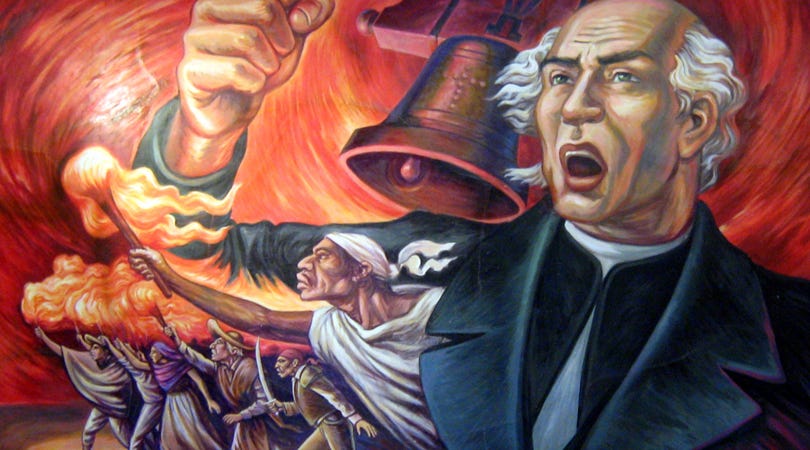
The War of Independence is commonly celebrated as the moment Mexico broke free from Spanish colonial rule. Leaders like Miguel Hidalgo mobilized large numbers of Indigenous and rural poor people in rebellion against colonial exploitation. However, the end of Spanish rule did not dismantle the social hierarchy that placed Indigenous communities at the bottom.
Instead, power shifted to criollo elites who maintained systems of land concentration and racial inequality. Indigenous communities continued to face tribute demands, land loss, and exclusion from political power. Independence changed who ruled Mexico, but not how Indigenous people were treated within it.
The Second Transformation: La Reforma (1855–1861).
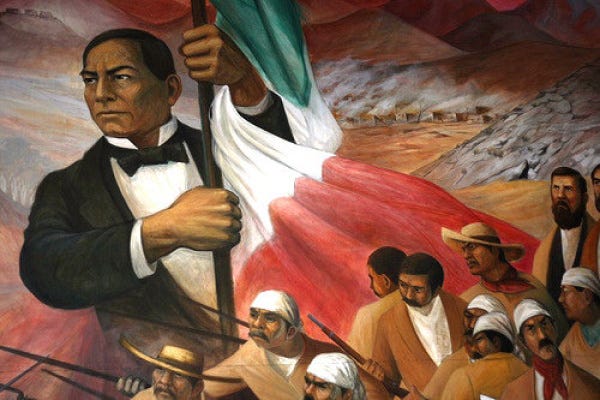
La Reforma was led by figures such as Benito Juárez. Juárez and others sought to modernize Mexico by weakening the Catholic Church and promoting liberal ideals like equality before the law. While Juárez himself was of Zapotec origin, the liberal reforms had devastating consequences for many Indigenous communities.
The push for privatization of communal lands under laws like the Ley Lerdo forced Indigenous villages to sell or lose collectively held territories. This policy, intended to create a modern capitalist economy, instead accelerated land dispossession and deepened poverty. Indigenous systems of communal governance and land stewardship were undermined in the name of progress.
The Third Transformation: The Mexican Revolution (1910–1917).
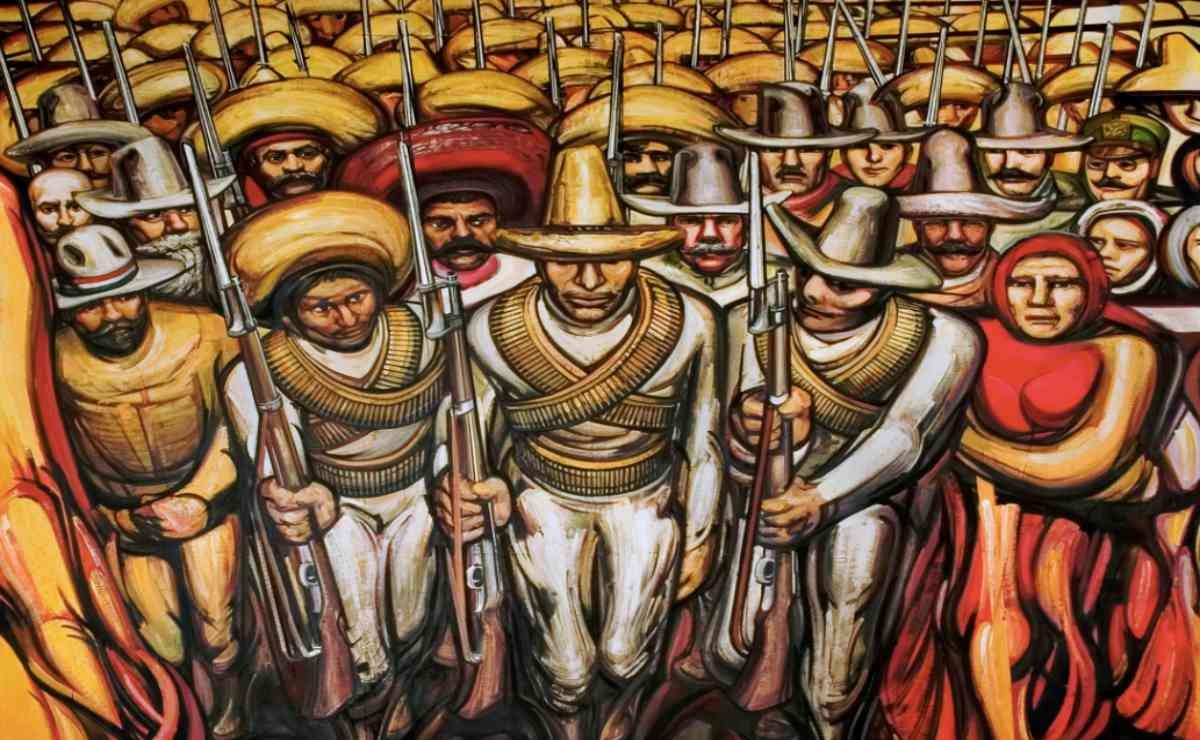
The Mexican Revolution promised “land and liberty,” especially through leaders like Emiliano Zapata, who explicitly fought for Indigenous land rights. The 1917 Constitution included provisions for land redistribution and recognized communal land (ejidos). While some land reforms did occur, they were uneven and often controlled by the state.
Many Indigenous communities received poor-quality land or remained excluded altogether. Furthermore, the revolutionary state promoted a national identity based on mestizaje, which celebrated mixed heritage while erasing distinct Indigenous identities and cultures. Rather than empowering Indigenous autonomy, the revolution often absorbed Indigenous struggles into a centralized national project.
The Fourth Transformation: Andrés Manuel López Obrador (AMLO’s) administration, Claudia Sheinbaum Pardo, and Morena Party objectives (2018-Today)
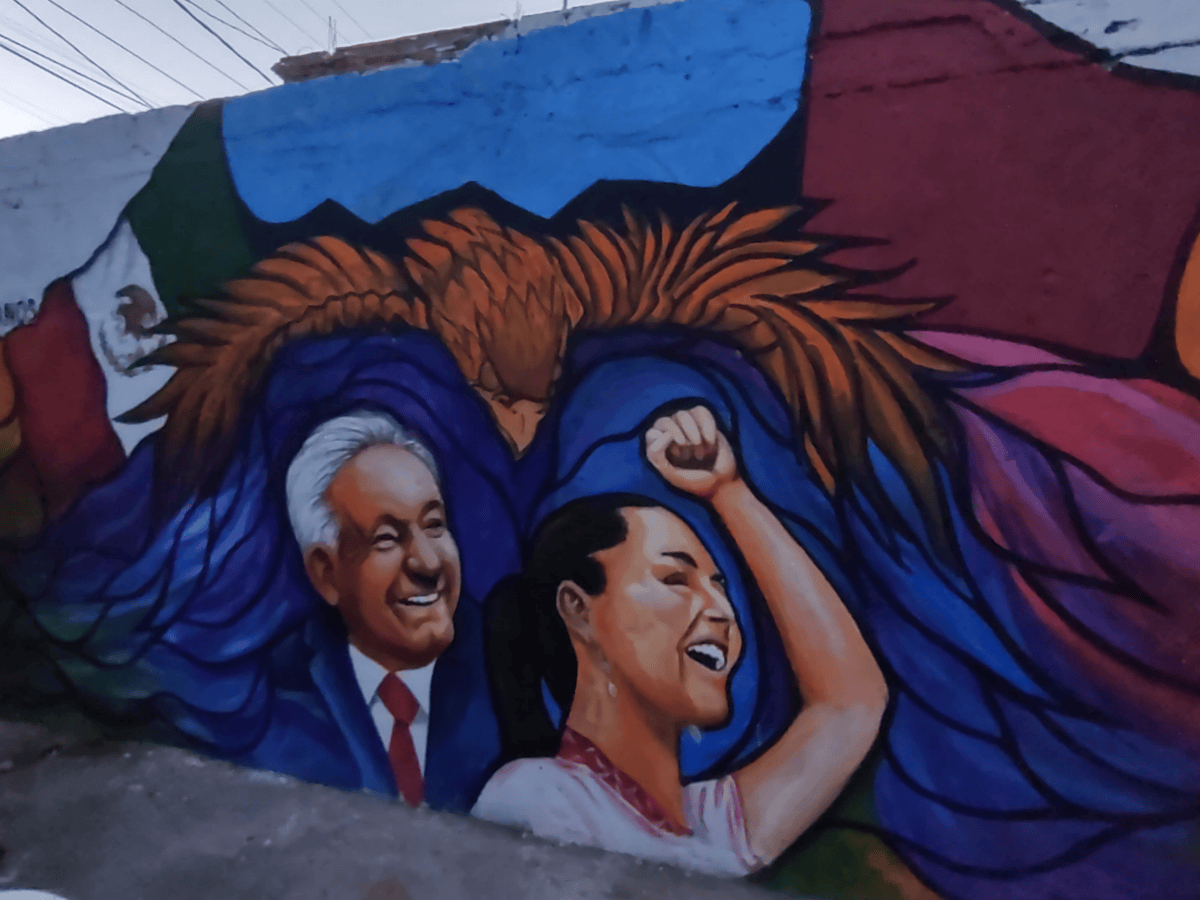
The Fourth Transformation, associated with Andrés Manuel López Obrador, the Morena Party, and continued under Claudia Sheinbaum Pardo, presents itself as a break from neoliberalism and a return to social justice. The government has increased social spending and rhetorically centered Indigenous communities.
However, many Indigenous activists argue that large infrastructure projects, such as the Tren Maya, have been imposed without meaningful consultation and threaten Indigenous lands and ecosystems. While framed as development, these projects often prioritize tourism and capital investment over Indigenous sovereignty. Violence against Indigenous land defenders and ongoing poverty in Indigenous regions suggest that structural inequalities persist despite the language of transformation.
A Pattern of Broken Promises
Across all four transformations, a pattern emerges: moments of national change mobilize Indigenous people and invoke promises of justice, yet ultimately fail to address the root causes of their oppression. Land dispossession, cultural erasure, political exclusion, and economic marginalization continue in new forms under each regime. These transformations, rather than breaking from the past, often repackage old hierarchies in new ideological frameworks.
In conclusion, Mexico’s history of transformation reveals less a story of liberation for Indigenous peoples than one of continuity in struggle. True transformation would require not just political change at the national level, but a fundamental restructuring of land, power, and autonomy that centers Indigenous communities themselves. Until then, each “transformation” risks becoming another chapter in a long history of unfulfilled promises.