

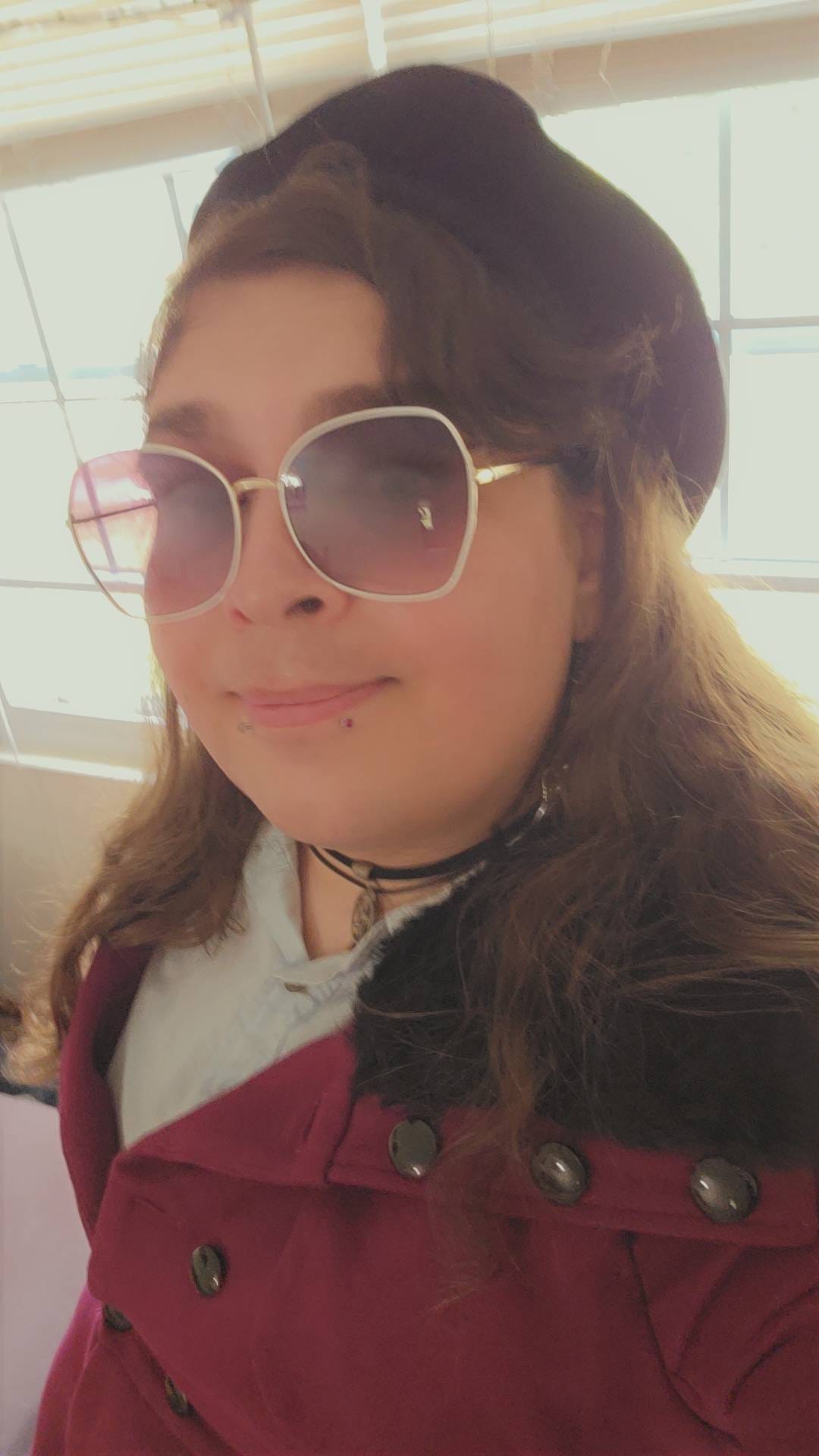
I didn’t imagine going into 2025 that I would write stories read by hundreds of people, or that I would meet so many inspiring individuals along the way. I certainly couldn’t have imagined adding acclaimed South African political analyst and journalist Kim Heller to my contact list, or listening directly to South African Parliament Member Carl Niehaus and members of the Economic Freedom Fighters—much less being invited to speak with them. Rising trans rights activist Jenna Taylor expressed her appreciation for my work and her interest in contributing her own column to MCT. I’ve also had the opportunity to sit down with Lakewood City Council President Sarah Kepple, Painesville City Councilman Mario Rodriguez, and his wife, the powerful and deeply inspiring activist Rachel Rodriguez. Writing about these people and their work has been a privilege, and one I don’t take lightly.
Even so, I’m still uncomfortable writing about myself—especially in this public way. That discomfort may be one of the reasons journalism feels like such a natural fit for me. While my voice shapes the way a story is told and the way facts are arranged, I’ve always believed the focus should remain on the people and events themselves. Perhaps it’s my imposter syndrome speaking, but I rarely view my own accomplishments as something deserving of recognition. Accolades aren’t what motivate me. The work is.
At the beginning of 2025, I put my writing skills to use as a copyeditor. I spent much of my time editing news articles for clarity and grammar. Before then, I had never examined their construction so closely. Over time, I began to notice how many stories felt dry or incomplete. Facts were present and properly ordered, but something human was often missing. One article I worked on focused on Nick Fuentes and his white nationalist “Groypers.” It explained who they are, but said very little about their broader political impact or the harm their ideology poses to the communities they target. That absence stayed with me. Still, as a copyeditor, my responsibility was limited to flow and grammar—not authorship.
I began to wonder why this kind of context was so often left out. I assumed much of it came down to time constraints and attention economics. Many readers don’t make it past the first few paragraphs, and mainstream media has to balance informing the public with selling stories and ad space. Even understanding that, I couldn’t imagine writing my own article about Typhoon Halong’s impact on Alaska without including the Indigenous communities and the long-standing neglect that made the disaster worse. Leaving out that history would have felt wrong.
Eventually, I realized I wanted to try a different approach. I didn’t set out with any expectations, and I was genuinely surprised when readers responded positively. I only began writing and reporting independently in September. My first article covered a particularly charged Lakewood City Council meeting, where what would later become the Lakewood Gender Freedom Policy was introduced. I felt the moment demanded more than a surface-level summary. I spoke with the policy’s authors at Cleveland DSA and with City Council President Sarah Kepple, who finalized the language and saw it through to passage. I tried to place the policy within the broader struggle for rights, and to explain why that struggle matters to all women. Those pieces remain some of my most-read works. The passage of the LGFP also became the first story I ever broke, published hours before mainstream outlets reported on it.
Context continued to guide my reporting. I was the first journalist to write about the full circumstances surrounding the arrest of Erika McGriff. Video footage later shared publicly by attorney Ben Crump revealed that Jacksonville police struck McGriff first and escalated the encounter. The arresting officer punched her while she was restrained against his cruiser, setting off everything that followed. In writing about the D.C. shooting, it became important to me to explain the background of the shooter himself, to highlight the fact that American Imperialism and abandonment were partly responsible. Telling that fuller story mattered to me; not just what happened, but how and why.
Looking back, this year has been both unexpected and deeply grounding. I’ve learned more than I anticipated; not only about journalism, but about responsibility, trust, and care. I have several interviews and pieces planned for January, including a multi-part story on Lakeland Community College, and I approach them with a clearer sense of purpose than I had when I began.
What I’ve come to understand is that journalism, for me, isn’t about visibility or recognition. It’s about listening closely, providing context, and treating people’s lives with the seriousness they deserve. I’m still learning, still uncomfortable at times, and still finding my footing—but I know now that this is work worth doing, and worth doing carefully.
Happy New Year.
Sincerely,
Alexandria Rose.
The context makes the story relatable and relevant. The context is humanity. We tell stories for a purpose, context reveals the purpose.